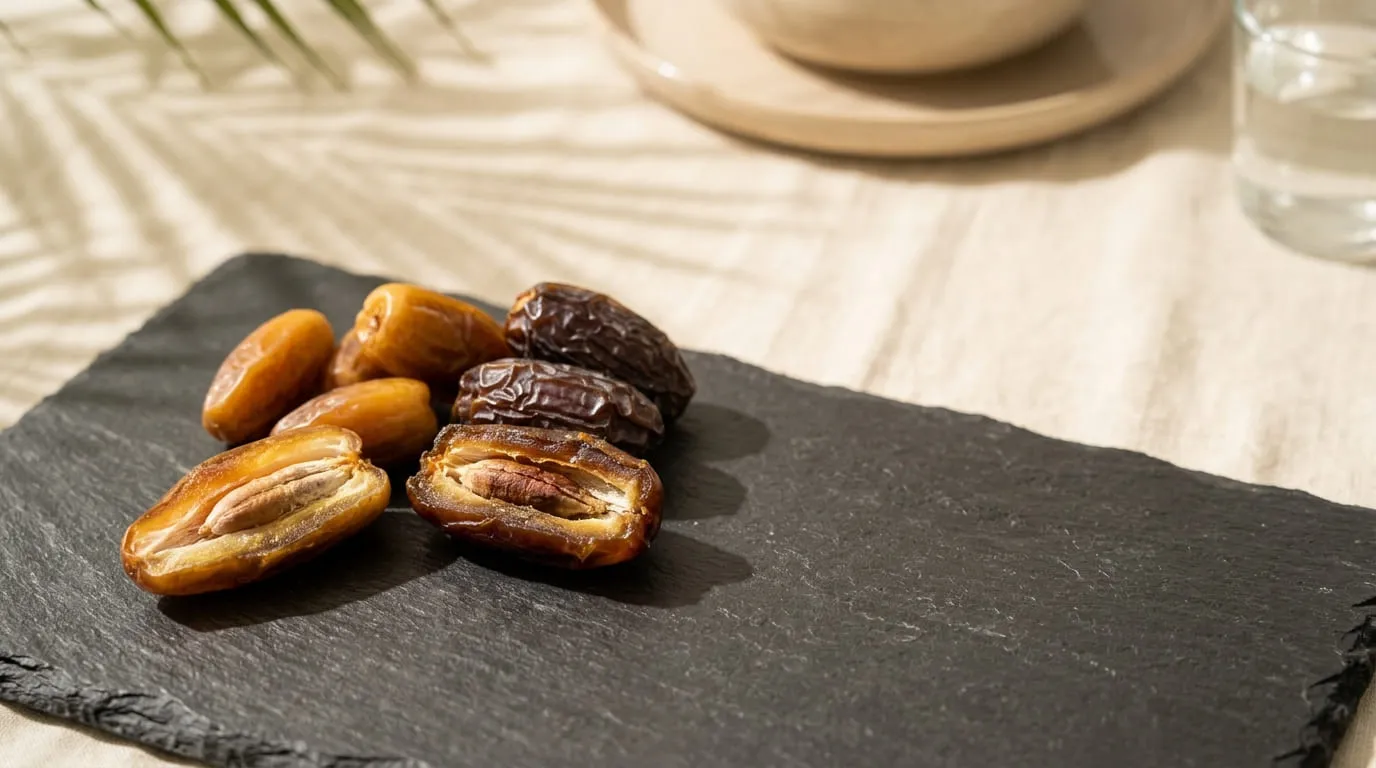



Deglet Nour dates are among the most appreciated Tunisian date varieties in the world. Grown in the oases of southern Tunisia, particularly in the region of Kebili, they stand out with their golden color, tender texture and naturally sweet taste.
Beyond their taste qualities, Deglet Nour dates have an interesting nutritional profile. They provide carbohydrates, dietary fiber and various minerals. Eaten as part of a varied and balanced diet, they can be a source of natural energy and a food easy to include in everyday life.
In this article, discover the main nutritional characteristics of Deglet Nour dates, their advantages in everyday eating and different ways to enjoy them.
What Are Deglet Nour Dates?
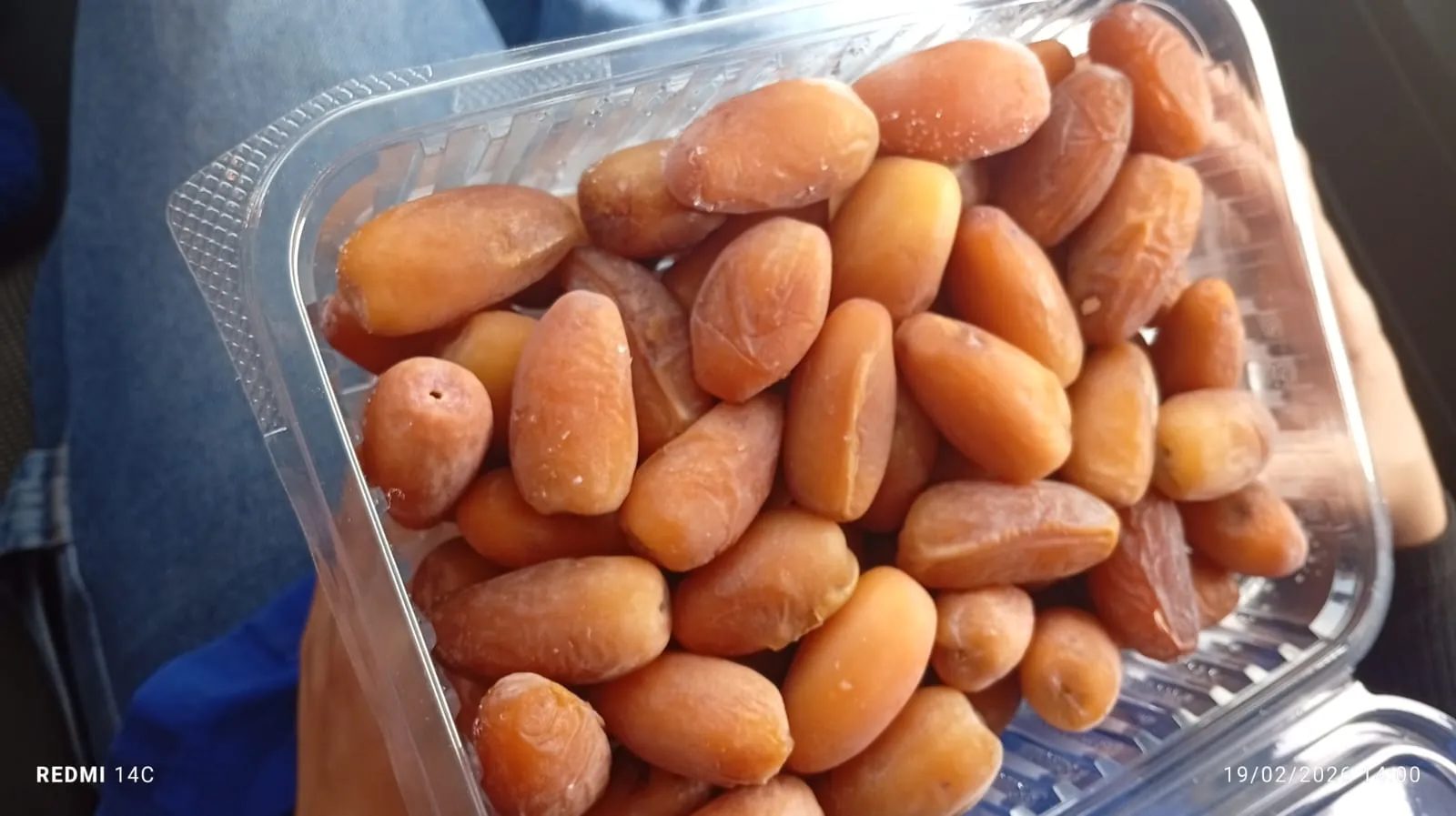
Deglet Nour is an iconic variety of the Tunisian oases. It is particularly recognizable by its slightly translucent appearance and beautiful golden color.
Grown mainly in the oasis regions of southern Tunisia, especially in Kebili, Deglet Nour is appreciated for its balance of sweetness, texture and flavor.
Dates are the fruit of the date palm and have long held an important place in the diet and culture of producing regions. After harvest, they are selected and prepared before being offered to consumers in various presentations.
Date quality depends on cultivation, maturity, selection and storage conditions, among other factors.
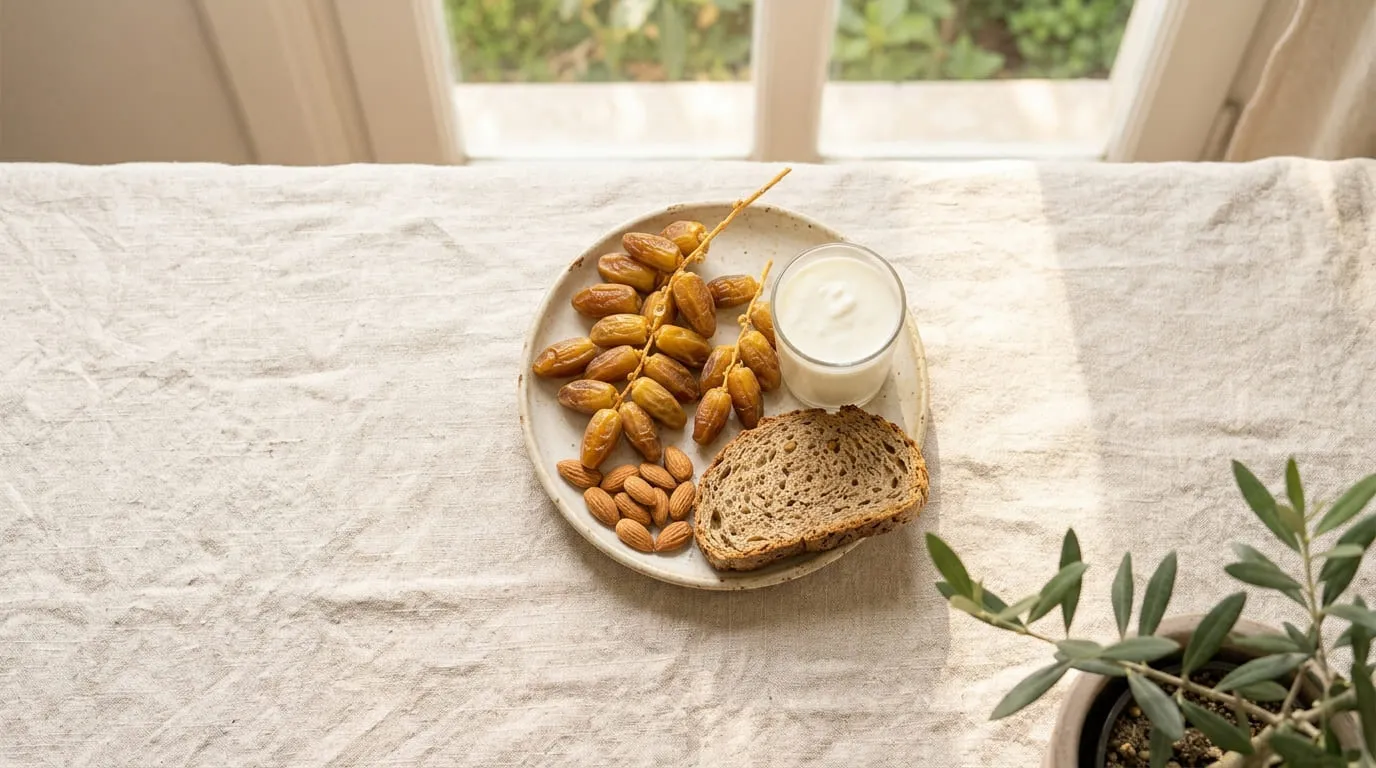
Deglet Nour Dates Nutrition Facts
Dates are best known for their content of naturally occurring carbohydrates, responsible for their sweet taste and energy contribution.
They also provide dietary fiber as well as various micronutrients, including minerals such as potassium and magnesium.
As nutritional composition can vary depending on variety, maturity and production conditions, exact values may differ from one product to another.
Naturally rich in energy, dates can make a practical snack or be included in various meals and culinary preparations.
Average values per 100 g
Here are the average reference nutrition values per 100 g of Deglet Nour dates:
| Nutrient | Per 100 g |
|---|---|
| Energy | 282 kcal |
| Carbohydrates | 75 g |
| Of which sugars | 63.4 g |
| Dietary fiber | 8 g |
| Protein | 2.45 g |
| Fat | 0.39 g |
| Potassium | 656 mg |
| Magnesium | 43 mg |
| Calcium | 39 mg |
| Iron | 1 mg |
| Sodium | 2 mg |
Source: USDA FoodData Central — average values, they vary by variety, maturity and production.
A Naturally Sweet Source of Energy
The carbohydrates in dates are a source of energy for the body. Thanks to their naturally sweet taste and practical format, dates can be enjoyed at different times of the day.
They can be particularly appreciated:
- at breakfast;
- as a snack;
- before or after physical activity, according to each person's needs;
- in various culinary preparations.
Dates can also bring a naturally sweet flavor to certain recipes, making it possible to reduce or replace some of the added sugar depending on the preparation.
As with all foods naturally rich in sugars, their consumption should fit into a varied diet adapted to each person's needs.
Dietary Fiber and Digestion
Dates contain dietary fiber, which plays an important role in a balanced diet.
A diet with enough fiber contributes to healthy intestinal transit. Dates can thus contribute to fiber intake when eaten along with other fiber-rich foods, such as fruit, vegetables and whole grains.
It is important, however, to consider the diet as a whole. No single food can meet all of the body's nutritional needs on its own.
The Minerals in Dates
Dates provide various minerals naturally present in plant-based foods.
Potassium
Potassium is an essential mineral found in many foods. Dates can contribute to dietary potassium intake as part of a varied diet.
Magnesium
Magnesium is also among the minerals found in dates. Like other micronutrients, it should be provided through a diversified diet.
A Varied Nutritional Composition
Dates may also contain other minerals and compounds naturally present in fruit.
Exact composition can vary according to several factors, including date variety, growing conditions and maturity.
That is why a balanced diet relies on the diversity of the foods eaten.
Compounds Naturally Present in Dates
Like many fruits and plant-based foods, dates contain various natural compounds, including phenolic compounds.
These substances are the subject of scientific research to better understand their properties and their role in nutrition.
However, the effects of a food on health must always be considered in the overall context of diet and lifestyle.
A diet rich and varied in fruit and vegetables provides a diversity of nutrients and compounds naturally present in foods.
How to Include Deglet Nour Dates in a Balanced Diet?
Thanks to their naturally sweet taste, dates can easily fit into many eating habits.
They can be eaten on their own or together with other foods.
Here are a few ideas:
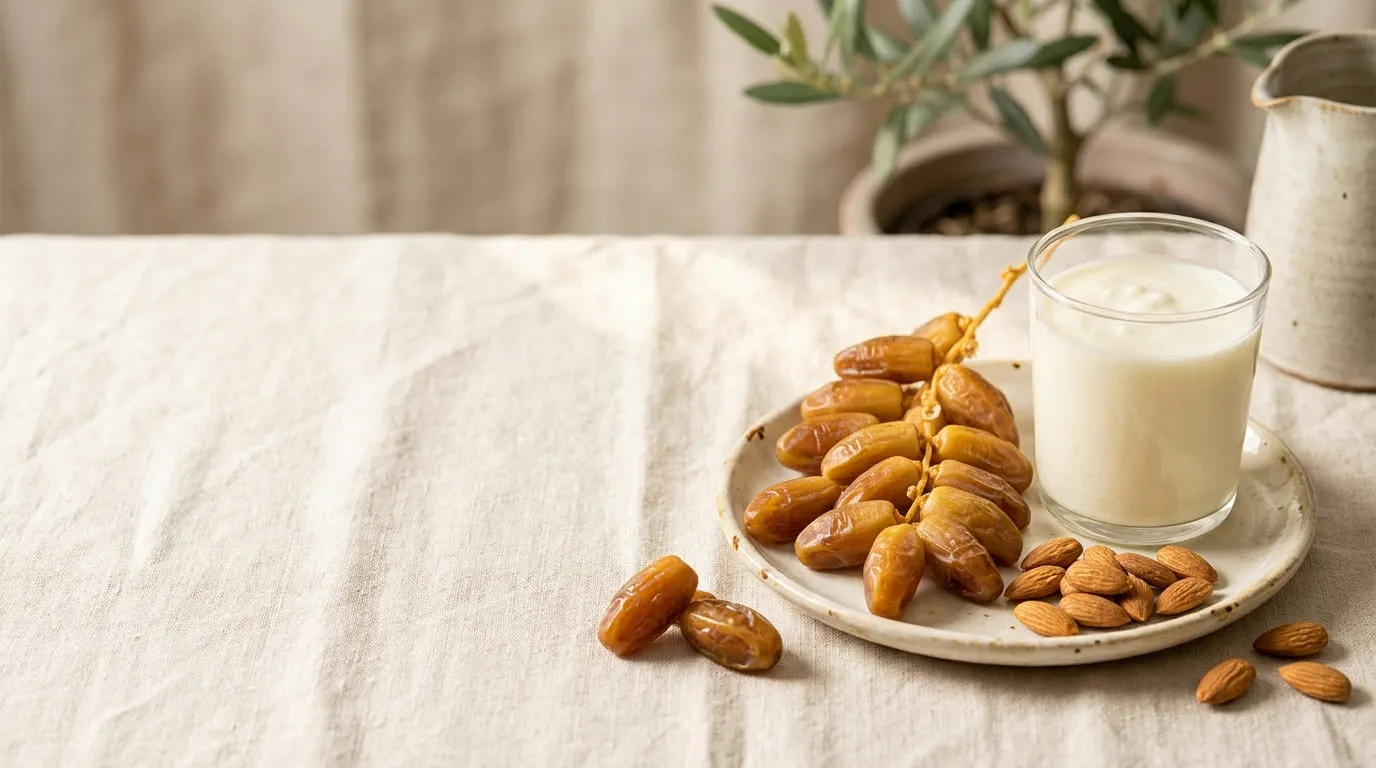
- with tree nuts;
- with yogurt;
- at breakfast;
- in salads;
- in smoothies;
- in pastries;
- in traditional Tunisian recipes;
- in various sweet or savory preparations.
Dates can also be used as an ingredient to bring a naturally sweet flavor to certain recipes.
The quantity eaten depends on eating habits, nutritional needs and each person's lifestyle.
Deglet Nour Dates and Balanced Consumption
Deglet Nour dates can perfectly find their place in a varied diet.
Their carbohydrate content explains their energy contribution, while their composition also provides fiber and various minerals.
As with many foods, balance relies on diversity and moderation.
Combining dates with other foods, including tree nuts, cereal products or dairy products according to dietary preferences, can create varied and tasty snacks.
How to Choose Quality Dates?
Choosing quality dates relies on several factors.
It is advisable to consider:
- the general appearance of the dates;
- their texture;
- their presentation;
- the quality of the packaging;
- the storage conditions indicated on the pack;
- the reliability of the supplier.
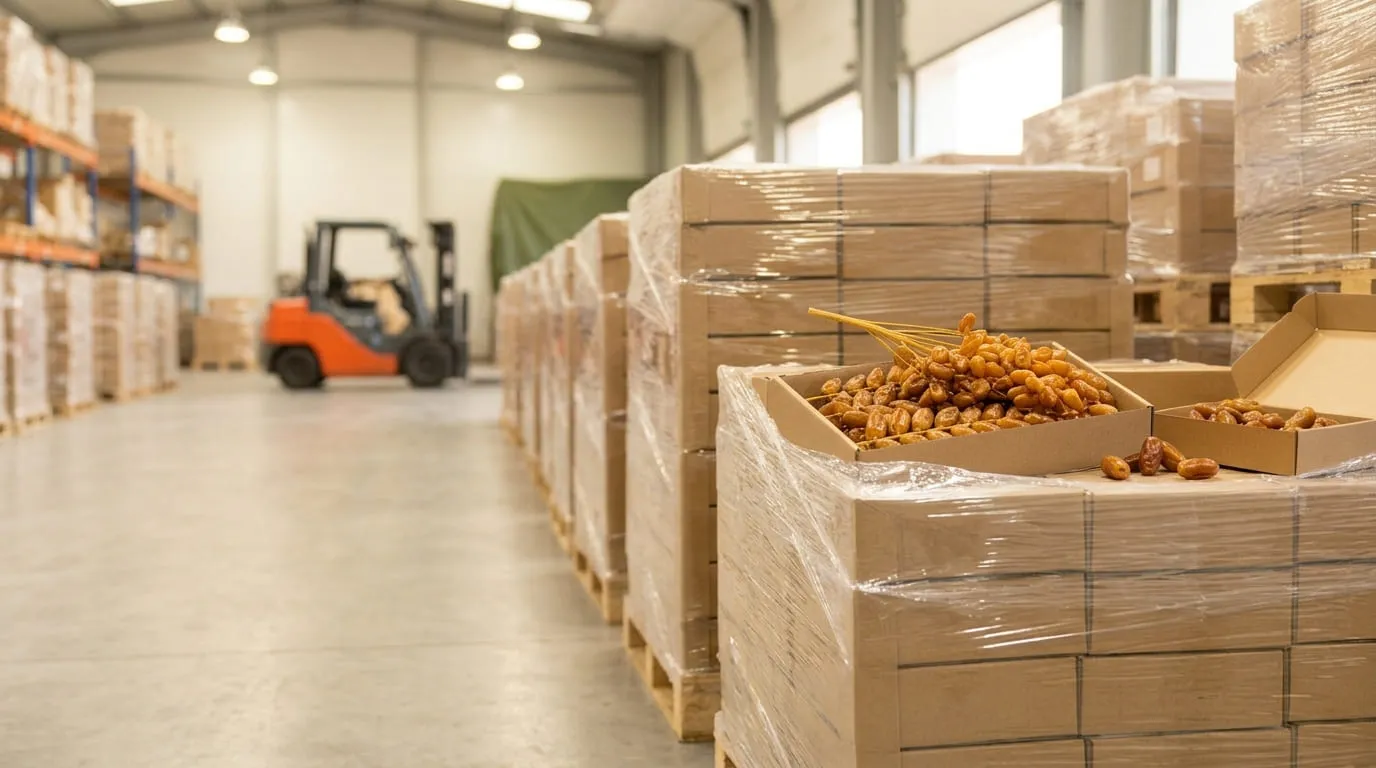
For professionals, other criteria may also matter, such as uniformity, caliber and packaging adapted to market needs.
Packaging also plays an essential role in protecting and presenting dates until they are marketed.
How to Store Deglet Nour Dates?
To preserve their quality and flavor, dates must be stored in suitable conditions.
It is recommended to follow the storage instructions indicated on the product packaging.
After opening, dates are best kept in a way that protects them and preserves their taste qualities.
Storage conditions may vary depending on the type of packaging. The manufacturer's recommendations therefore remain the best reference for each product.
Deglet Nour: An Iconic Fruit of Tunisia
Tunisian Deglet Nour holds a special place among the most appreciated date varieties around the world.
Its naturally sweet taste, texture and golden appearance make it a fruit enjoyed both for everyday consumption and for use in various recipes.
Originating from the Tunisian oases, particularly the region of Kebili, it also represents an important part of the country's agricultural and gastronomic heritage.
At Nouran Dates, we specialize in Tunisian dates packaging and export. Our goal is to offer carefully prepared Deglet Nour dates suited to the needs of different markets.
Thanks to their taste qualities and nutritional composition, Deglet Nour dates can be included in many ways in a varied and balanced diet.
Learn more: discover our packaged dates (practical formats for everyday eating) and our branched dates, or request a quote.